
HYDROVAC SERVICES
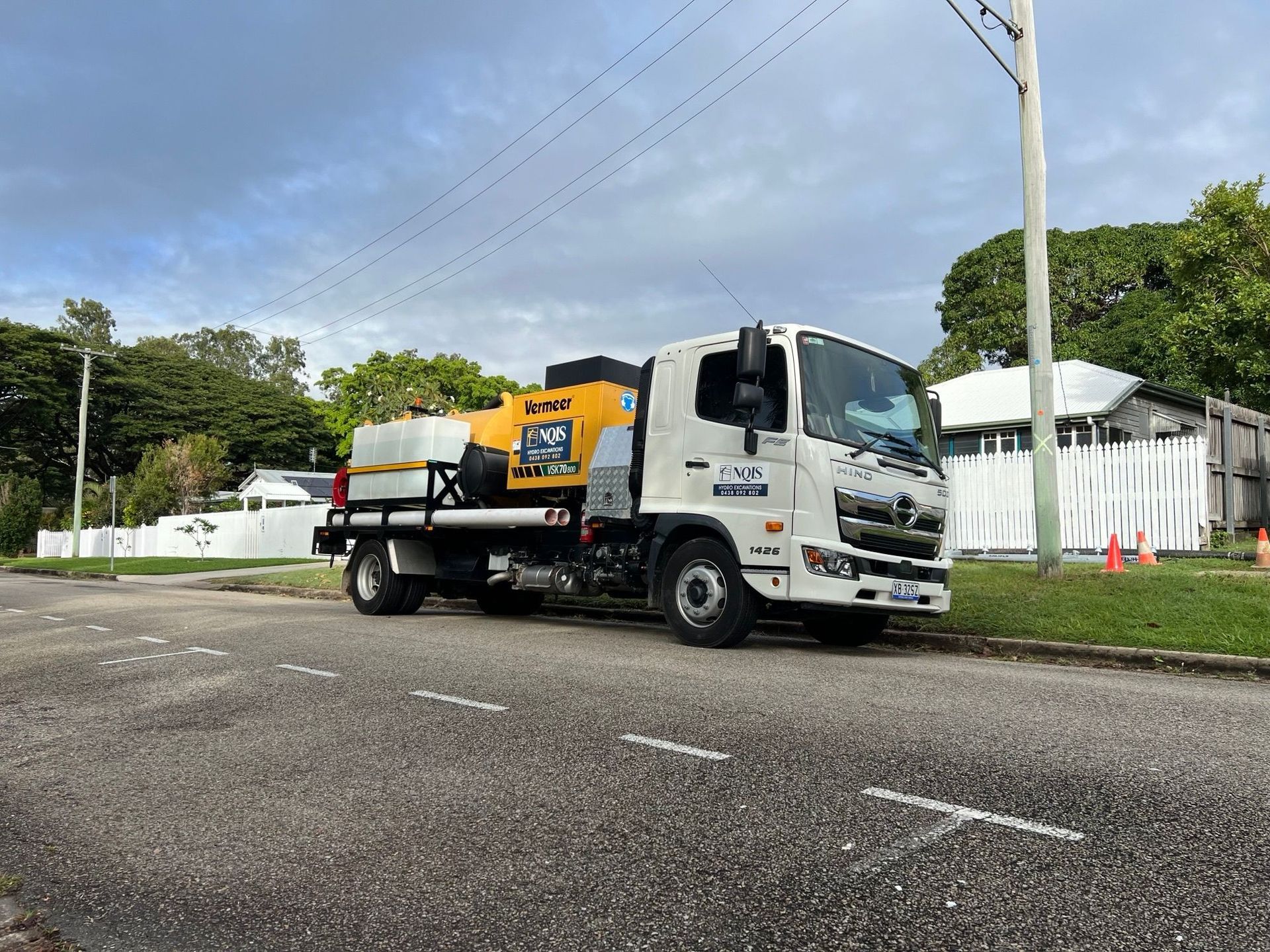
Hydrovac Services – Our Capabilities
• Vacuum Excavation – trenching, pole / post holes and footings
• Potholing – exposing and sighting underground services
• Locating Services
• Under Boring – pathways and driveways
• Cable Hauling and Conduit Proofing
• Jetting – cleaning pipes, pits, conduits and drains
• Industrial Cleaning – high pressure water cleaning
• Vacuum Loading – wet and dry waste removal
• Barricading services
• Temporary Fencing – available for hire
Non-Destructive Excavation
Hydrovac excavation safely exposes underground services using high-pressure water and vacuum technology. This non-destructive method removes soil while protecting gas, water, electrical and telecommunications infrastructure.
Ideal for service locating, potholing and daylighting, it reduces the risk of costly damage and provides a precise excavation solution for civil, infrastructure and telecommunications projects.
Enhanced Safety on Site
Hydrovac excavation improves site safety by allowing operators to expose underground services with controlled water pressure and vacuum extraction. This process reduces the risk of accidental service strikes, injuries and project delays.
With fewer mechanical tools required near sensitive infrastructure, hydrovac supports safer operations and strong compliance with work health and safety standards.
Ideal for Congested Areas
Hydrovac is ideal for congested or tight-access areas where traditional excavation equipment cannot operate safely. Trucks can remain positioned away from the worksite while hoses extend to the excavation area.
• Urban streets
• Residential properties
• Utility corridors
• Power pole installations
• NBN infrastructure projects
Improved Project Efficiency
Hydrovac excavation delivers faster, cleaner and more controlled digging compared to traditional methods. Services can be exposed accurately the first time, reducing delays caused by damaged utilities.
Minimal surface disturbance also means less reinstatement work, helping projects run more efficiently while reducing labour costs and disruption to surrounding infrastructure.